Jason Gelios Michigan REALTOR®
  • HOME
  • MEDIA ROOM
    • AskJasonGelios Show
    • PRESS
    • JASON'S BLOG
    • HOMEOWNERS UPDATE
    • JASON'S BOOKS
    • PODCAST: AskJasonGelios Show
  • ABOUT JASON
  • SELL
  • BUY
    • GET APPROVED
  • Connect With Jason Gelios
  • TESTIMONIALS
  • SENIORS

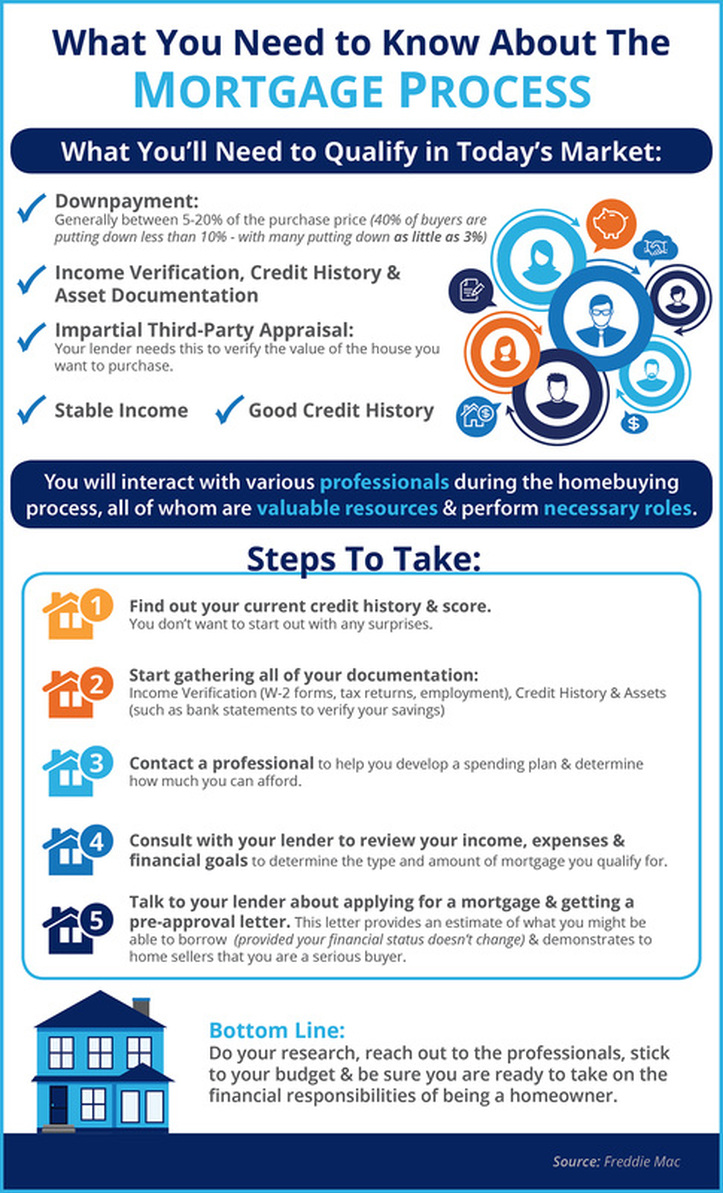
What You Need To Know About The Mortgage Process

Down Payment:
When buying a home, lenders typically require a down payment to reduce their risk and show that the buyer has a financial stake in the property. The down payment amount varies by loan type and borrower qualifications, but a larger down payment can lower monthly payments, improve loan terms, and may help avoid additional costs like mortgage insurance. Some programs do offer a no down payment option.


Income Verification, Credit History, And Asset Documentation
When applying for a mortgage, lenders evaluate income verification, credit history, and asset documentation to assess overall financial strength. Income verification confirms you have reliable earnings to support monthly payments, while credit history shows how responsibly you’ve managed debt in the past. Asset documentation—such as bank and investment statements—demonstrates you have sufficient funds for the down payment, closing costs, and financial reserves, helping lenders determine your ability to handle the loan responsibly.


Impartial Third Party Appraisal
When getting a mortgage, lenders order an appraisal to determine the home’s fair market value. This independent evaluation helps confirm that the property is worth the amount being borrowed, protecting the lender from over-lending. The appraisal ensures the loan amount aligns with the home’s value and plays a key role in final loan approval.


Stable Income
When applying for a mortgage, lenders look closely at stable income to ensure you can reliably make your monthly payments over time. Consistent earnings—typically shown through steady employment, predictable pay, and a documented income history—help lenders assess your ability to repay the loan. The more dependable and verifiable your income appears, the lower the risk to the lender, which can also improve your chances of approval and better loan terms.


Good Credit History
When applying for a mortgage, lenders review your credit history to evaluate how responsibly you’ve managed debt in the past. They look at factors such as payment history, credit utilization, length of credit, and any late payments or defaults. A strong credit history signals lower risk, which can improve your chances of approval and help you qualify for better interest rates and loan terms.


Steps To Take:
  • Find out your current credit history and scores.
  • Start gathering all your income documentation.
  • Contact a reputable lender.
  • Consult with your lender to review your income, expenses and financial goals.
  • Talk to your lender about which type of mortgage works best for you.

Bottom line:
Do your research, reach out to professionals, stick to your budget and be sure you are ready to take on the financial responsibilities of being a homeowner. 
Need a referral to a reputable lender in Michigan?
Reach out today!

    Lender Referral Form

Submit

Picture
Picture
About Jason Gelios
For Buyers
For Sellers
Think Like a REALTOR® Real Estate book
Valuable Resources
AskJasonGelios Real Estate Show
Jason Gelios' Real Estate Blog​

In the press

Contact Jason Gelios
Copyright    All Rights Reserved 
  • HOME
  • MEDIA ROOM
    • AskJasonGelios Show
    • PRESS
    • JASON'S BLOG
    • HOMEOWNERS UPDATE
    • JASON'S BOOKS
    • PODCAST: AskJasonGelios Show
  • ABOUT JASON
  • SELL
  • BUY
    • GET APPROVED
  • Connect With Jason Gelios
  • TESTIMONIALS
  • SENIORS